Your body is roughly 60% water. Your brain is closer to 75%. And yet, most people I know walk around mildly dehydrated all day and have no idea — they just assume that heavy, foggy feeling at 3 p.m. is normal.
It isn't. Here's what threw me: the thirst signal you feel is a lagging indicator. By the time your mouth is dry, you're already behind. So the real skill isn't drinking when you're thirsty. It's building a rhythm that makes thirst irrelevant.
This is why hydration matters, and more practically, how to actually drink more water daily without turning it into a chore you abandon by Thursday.
Key Takeaways
- Water regulates temperature, cushions joints, moves nutrients into cells, and flushes waste — the basics your body cannot outsource.
- Thirst lags behind actual need, so waiting for it guarantees you drink late.
- Roughly 20% of your fluid intake comes from food, not drinks — that matters when you plan your day.
- Anchoring water to existing habits beats relying on motivation every single time.
- Older adults and anyone on diuretics need a deliberate schedule, because their thirst cue weakens.
- Adding flavor, temperature, or carbonation is legitimate strategy, not cheating.
Why hydration matters more than you think
Let's start with what water actually does, because "stay hydrated" gets repeated so often it stops meaning anything.
The six jobs water does in your body
Water is not a passive filler. It's an active participant in nearly every process you'd call "being alive."
- Temperature regulation — sweating is your built-in cooling system, and it only works if there's fluid to spare.
- Joint lubrication, which is why stiffness creeps in when you're dry.
- Transport. Blood is mostly water, and it's the delivery truck for oxygen and nutrients.
- Waste removal through urine and sweat.
- Organ protection — your kidneys, spinal cord, and brain sit in fluid cushions.
- Digestion, from saliva to the movement of food through your gut.
None of these are optional. When you run low, the body triages. It keeps the heart and brain running first, and everything else waits. That's the foggy, sluggish feeling.
What dehydration actually feels like (the signs people miss)
Most people think dehydration announces itself with a parched throat. In my experience, the quieter signals come first: a dull headache behind the eyes, difficulty concentrating on a simple task, irritability that seems to come from nowhere, and dark yellow urine.
Here's the thing — those signals get blamed on poor sleep, stress, or caffeine. Sometimes the fix is just a glass of water and twenty minutes.
Urine color is the most honest dashboard you have. Pale straw is the target. Dark amber means you're behind. And it's free to check.
How much water should you actually drink per day?
You've heard "eight glasses." It's a decent starting point and a terrible final answer.
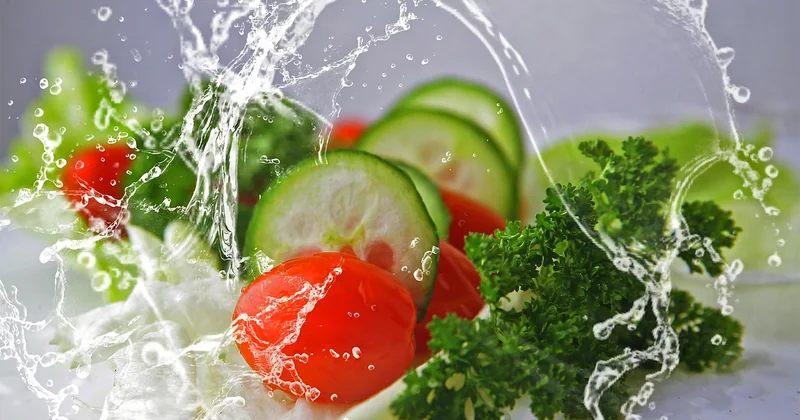
General guidance lands around 11 cups a day for women and 16 cups for men, but that's total fluid — including what's in food, coffee, tea, and soup. Roughly a fifth of your intake comes from the plate, not the glass. A bowl of soup, a cucumber, a watermelon slice: all count.
Your real number depends on body size, activity, climate, and whether you're pregnant, breastfeeding, or on medication that flushes fluid. A person running in July heat needs more than someone at a desk in a mild office. This isn't a cop-out — it's the honest answer that bottle labels don't give you.
Do you really need eight glasses?
No, not literally, and not for everyone. The "eight glasses of eight ounces" rule is a rough cultural shorthand, not a scientific threshold. It's useful because it's memorable and it's close enough for most healthy adults. But treating it as law leads to two mistakes: some people drink far too little because they assume they'll "know" when they need more, and others force water to the point of discomfort for no benefit.
Use eight glasses as a floor, then adjust upward based on sweat and thirst.
How to drink more water daily: strategies that actually stick
Motivation fades. Systems don't. This is the part most articles skip, and it's the part that decides whether you succeed.
Anchor water to habits you already have
You already wake up, brush your teeth, eat meals, and check your phone. Attach a glass to each. One glass immediately on waking is the highest-leverage habit because you've just gone seven or eight hours without fluid.
Then: a glass before each meal. That's three more, without thinking about it.
Make it visible and easy
I keep a filled bottle on my desk, in plain sight. Not the fridge, not a cupboard — the desk. Every time my hand reaches for a pen, my eye lands on it. Visual cues beat willpower every time.
If your water is hidden, you will forget it exists. That's not a character flaw; it's how attention works.
Add flavor without adding sugar
Soda and juice bring calories and simple sugars to the party. Water doesn't. If plain water bores you, fix the boredom, not the habit:
- Lemon, lime, or cucumber slices in the bottle.
- Fresh mint leaves, muddled slightly.
- Frozen berries that double as ice cubes.
- Sparkling water when you want texture.
- A splash of unsweetened tea for a warmer option in winter.
Temperature matters more than people admit. Ice-cold water in summer, room temperature or warm in winter — you'll drink more of what feels right for the moment.
Set reminders that don't annoy you
Phone reminders work until you start dismissing them without reading. The trick is fewer, well-timed nudges rather than hourly buzzes. Two or three alarms — mid-morning, early afternoon, and evening — land better than ten.
Pair the alarm with a specific action: "Drink the bottle, then refill it." A reminder without a defined action gets ignored.
Who needs to pay extra attention to hydration
Some people can't rely on thirst at all, and they're the ones most likely to run low.
Older adults and weakened thirst signals
As people age, the sensation of thirst dulls, and some medications — diuretics especially — actively flush fluid. The result is that a meaningful share of adults over 60 are under-hydrated without feeling it. For this group, drinking by schedule rather than by thirst isn't fussy; it's necessary.
If you're caring for an older parent, leaving a filled glass within reach and prompting at meals does more than any lecture.
Athletes, sick days, and hot weather
During illness — particularly fever, vomiting, or diarrhea — fluid losses spike and intake often drops. Same during intense exercise or a heatwave. These are the moments to drink deliberately, not wait for the cue.
| Situation | Adjustment | Why it matters |
|---|---|---|
| Desk job, mild climate | Baseline: ~8 glasses | Standard maintenance for most healthy adults |
| Intense exercise | Add fluid before, during, after | Sweat losses can be significant per hour |
| Hot weather | Drink ahead of thirst | Heat raises fluid needs before you notice |
| Fever or illness | Small, frequent sips | Losses climb while appetite drops |
| Age 60+ or on diuretics | Schedule, not thirst | Thirst cue is unreliable |
Mistakes I made (so you don't have to)
Early on, I tried to hit my target by chugging a huge amount at once, usually in the evening. The result was predictable: multiple bathroom trips at night, worse sleep, and no real benefit. Spreading intake across the day is the whole game. A steady trickle beats a flood.
My second mistake was relying on coffee to count toward hydration. It does contribute fluid, but the caffeine and the habit of sipping slowly meant I was never drinking enough plain water. Coffee is a bonus, not the foundation.
A third, subtler error: I bought an expensive insulated bottle and then left it in my bag, out of sight, all day. The bottle didn't hydrate me. Seeing the bottle did.
Nothing here is complicated. It's just that small structural changes outperform grand resolutions. The people I know who drink enough water aren't more disciplined than you — they've just removed the friction and added the cues.
So here's the question worth sitting with: if your body has been quietly asking for water for years, and the signal is too quiet to trust, what's your system for hearing it anyway? A glass on the counter tomorrow morning is a small answer. But it's a real one — and unlike motivation, it'll still be there on Thursday.